
|
18 October 2026 - Cytara Chat with i Public Funding & Fashion: How Austria’s Art Report WorksJournalistic Chat: Cytara with Gemini 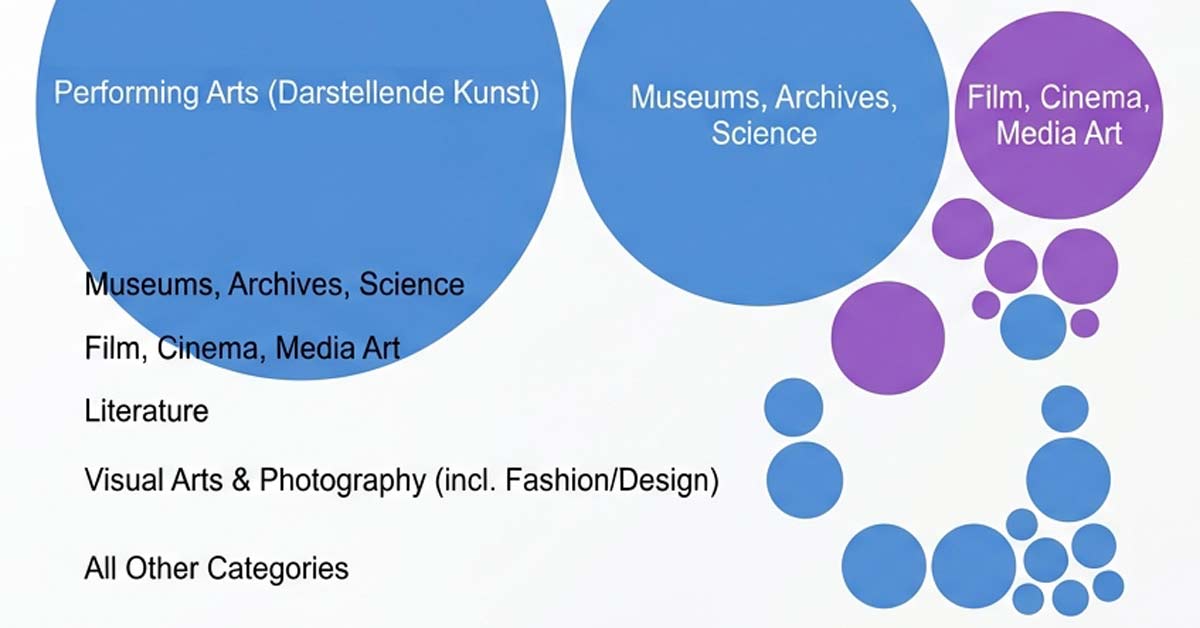
Quick Read
• High Transparency in Arts: Unlike economic or agricultural reports, Austria's Kunst- und Kulturbericht lists recipient names due to legal mandates. The following conversation was led by Cytara within Gemini to provide insight into Austrian art and culture funding mechanisms, with a dedicated focus on fashion design.
Cytara: Which funding reports has the Austrian government already published this year? The Art and Culture Funding Report is already online, but which other funding reports exist and which other ministries publish them?
Alongside the Kunst- und Kulturbericht (Art and Culture Report), the Austrian federal government publishes several annual and event-driven reports detailing state disbursements and subsidies across various departments:
Cytara: Which of these reports were released most recently? When were they published, and do they explicitly list individual funding recipients like the Art and Culture Funding Report does?
The publication schedule and level of detail vary significantly across ministries:
For cross-sectoral queries regarding named beneficiaries outside the arts sector, citizens can consult the public Transparenzdatenbank des Bundes (Federal Transparency Database).
Cytara: Why does the Art and Culture Funding Report explicitly list individual recipient names when other sector reports do not?
This structural difference stems directly from statutory mandates. Under the Kunstförderungsgesetz (Federal Art Promotion Act), the Federal Ministry is legally obligated to document grants transparently and publish an itemized accounting of all granted funds—including the names of recipients and exact amounts—to ensure complete public accountability in cultural policy. In contrast, sectors such as agriculture, general commerce, or corporate research fall under stricter data protection regulations, commercial secrecy, and competitive disclosure protections regarding private business operations and income figures.
Cytara: What about journalism and media funding? Is media support included within the Art and Culture Funding Report as well?
General commercial media funding is separate from the federal Art and Culture Report. Commercial journalism, daily press subsidies, and private broadcasting incentives are administered independently by the communications authority KommAustria and the RTR (Rundfunk und Telekom Regulierungs-GmbH). These disbursements are published in dedicated press funding reports and in the public Medientransparenz-Datenbank (Media Transparency Database). However, specific cultural publications and art journalism do appear within the cultural budget system under specialized categories.
Cytara: Since certain media outlets appear in the Art and Culture Funding Report, how are categories structured overall within this document?
To ensure standardized comparative reporting across Austrian federal and state authorities, the Art and Culture Report structures its allocations according to the LIKUS classification system (Länderinitiative Kulturstatistik). The 17 LIKUS Categories in the Federal Cultural Report
Within this framework, cultural publications fall under Category 6 (Press), while digital media art and experimental film fall under Category 10 (Film, Cinema, Media Art).
Cytara: Which of these categories received the highest amount of funding in the most recent reports?
The largest share of federal funding consistently goes to Performing Arts (Category 8), closely followed by Museums, Archives, and Science (Category 1). Combined, these two categories regularly account for more than half of the total federal art and culture budget. Primary Funding Allocations
By contrast, smaller disciplines account for much tighter percentages: Literature receives approximately €13.8 million, Visual Arts and Design around €17.1 million (in 2024), and specialized cultural press publications around €1.3 million.
Cytara: What exact percentage of the budget goes to fashion design within these reports?
Fashion design does not have its own standalone percentage or category in the federal report. Instead, it is grouped into LIKUS Category 9: Visual Arts & Photography (administered alongside Architecture, Design, and Fine Arts). Budget Breakdown for Fashion Design
This lower percentage reflects institutional divisions: the Federal Culture Ministry funds fashion strictly as an artistic, avant-garde, and cultural discipline (via grants and travel stipends). Commercial fashion labels undertaking series production or market scaling are directed to economic agencies, such as the aws (Austria Wirtschaftsservice) under the Ministry of Labour and Economy.
Cytara: Since the federal report only covers national ministerial funds, how are cultural and fashion grants distributed across individual states, given that places like the City of Vienna offer dedicated fashion support?
Under Austria's federal structure, responsibility for art and cultural promotion is shared between the national government, the nine federal states (Bundesländer), and municipal authorities. 1. State-Level Cultural ReportingEach federal state issues independent annual cultural reports (e.g., the Kulturbericht der Stadt Wien). Like the federal report, most states—including Vienna, Styria, Upper Austria, and Tyrol—publish complete itemized lists naming all individual grant recipients and projects. 2. Regional Fashion Support: The Vienna ExampleOutside of Vienna, fashion design grants across the states are typically absorbed into broader Visual Arts/Design allocations or regional craft preservation funds. Vienna, however, maintains a structured dual framework for fashion:
3. Cross-Regional AccessTo cross-reference all regional and federal public allocations received by a single brand or designer, the central reference tool remains the federal transparency portal ( |